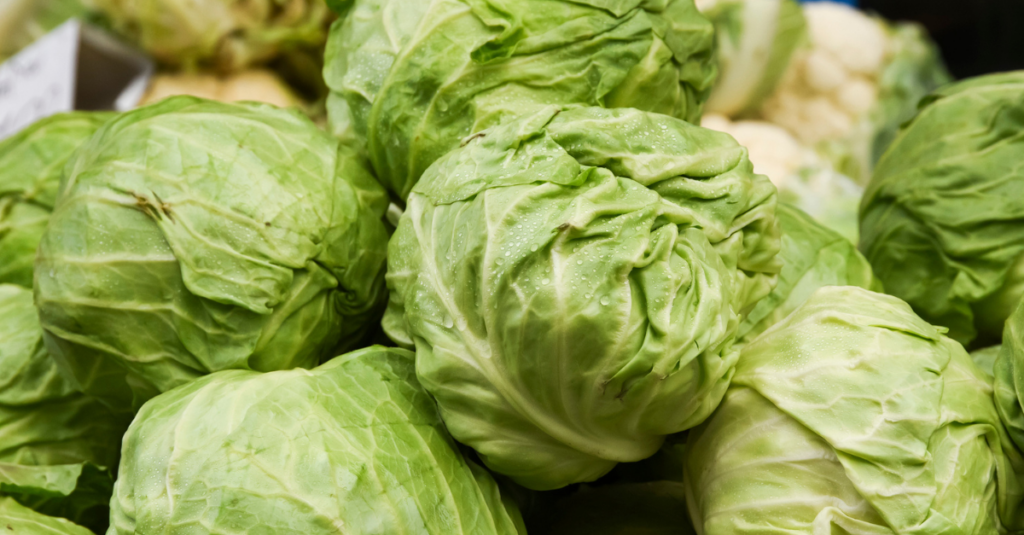
In July 2026, the FDA and CDC began investigating a multistate Cyclospora outbreak tied to iceberg lettuce sourced from central Mexico. Cyclosporiasis infection typically causes watery, explosive diarrhea, stomach cramps, bloating, nausea, fatigue, and loss of appetite. As of the CDC’s most recent update, fifteen states have reported cases, with at least 6,358 people infected, 278 hospitalizations, and two deaths.
The outbreak led to the supplier, Taylor Farms, voluntarily recalling all central-Mexico-produced iceberg lettuce from the U.S. market on July 17, 2026. The recalled lettuce was distributed and sold in at least 27 states to consumers, restaurants, and retailers, including Taco Bell locations and Marketside-brand products at select Walmart stores.
For food and beverage manufacturers and distributors, this latest recall is a stark reminder of why lot tracking, traceability, compliance, and recall readiness are essential to maintain the trust of food consumers. If a produce supplier can’t quickly answer “where did this lot go, and where did it come from,” it can undermine customer loyalty and negatively impact the company’s reputation. The speed of response is key: The longer it takes to execute a product recall, the more people may potentially get sick.
Here’s what food and beverage manufacturers should know about compliance, traceability, recall readiness, and the technology that supports it.
What is FSMA, and why does it matter?
The Food Safety Modernization Act (FSMA), signed into law in 2011, represents the most sweeping reform of U.S. food safety law in over 70 years. Its core shift: instead of responding to foodborne illness after the fact, manufacturers are required to proactively prevent it. For food and beverage companies, that means demonstrable, documented controls across sourcing, production, and distribution.
Why does food contamination still happen despite tighter regulations?
Food quality and safety is a complicated challenge with many moving parts. Even with FSMA requirements in place, new outbreaks and contaminations surface every few weeks, as the FDA’s extensive list of Food Product Recalls, Market Withdrawals, & Safety Alerts shows. A common thread across many of them: the point of failure sits in the distribution chain and is only identified after the fact, during a detailed record review. Regulations on the front end can’t catch every problem — which is why what happens on the back end, in the way a company manages its records and information, ends up mattering just as much as the controls on the plant floor.
What is supply chain verification, and how does it prevent recalls?
Supply chain verification means going beyond basic one-step-forward, one-step-back recordkeeping to actively confirm that food safety standards are being met at every link from the farm to the retail shelf or restaurant. At its core, it targets three objectives: ingredients are exactly what they’re supposed to be, handling and transport preserve product quality and safety, and every product can be rapidly traced back to its source. Third-party audits help, but they’re not infallible. A supplier receiving already-adulterated input material may pass an audit and still introduce risk downstream. That’s why an active verification program, one that catches small issues before they compound, does more to prevent a crisis than audits alone.
The need for speed: Why does rapid traceability matter during a recall?
Traceability determines whether a recall stays targeted or spirals. If a company’s lot codes aren’t specific enough — for example, running the same lot code across many production runs instead of breaking production into discrete batches — a single defective batch can force a company to recall far more product than was ever actually at risk. Conversely, tight lot coding and centrally stored, real-time data let a company answer the questions regulators and the public will ask immediately: which batches were affected, what raw materials were involved, and whether the same materials passed through other batches or facilities.
What does a food safety recall actually cost?
The short answer? A lot more than most companies budget for. Industry surveys put the average cost of a food recall at around $10 million, and that’s before accounting for production downtime, product replacement, product disposition, and the harder-to-quantify cost of lost brand trust. One widely cited case: a Listeria-linked recall cost a food manufacturer over $20 million in direct costs, with shareholder losses exceeding $200 million as the stock price fell more than 20% in the weeks following the announcement. Framing food safety risk in these financial terms — not just as a hazard to manage, but as a quantifiable enterprise risk — is often what it takes to get the budget and organizational buy-in food safety and compliance teams need.
What should a company do in the event of a food recall?
At minimum: determine the severity of the risk, isolate the affected batches, notify distributors and retailers immediately, execute pre-established recall procedures, report to the relevant regulatory authority, and communicate transparently with customers. None of that is possible to perform quickly without centralized, real-time data. If information is scattered across spreadsheets and disconnected systems, even a company with good intentions will be slow to act, and slow recalls are the ones that become expensive, public, and damaging to trust.
How does an ERP system support traceability, compliance, and recall readiness?
Modern ERP systems designed for food and beverage manufacturing addresses the two things that determine whether a recall stays small, drags on, or spins out of control: visibility and speed. Specifically, a food ERP system can:
- Provide bi-directional traceability — tracing every ingredient and product both backward to its source and forward through production and delivery
- Centralize records so batch, lot, supplier, and shipping data live in one system instead of scattered spreadsheets
- Automate supplier verification — activation controls, certificate of analysis tracking, and automated alerts as supplier certifications approach expiration
- Support preventive controls — allergen management, in-process audits, sanitation checklists, and multi-language work instructions
- Enable mock recalls (traceability exercises) and real recalls alike, pulling every affected lot and work center in minutes rather than days
How does FoodBusiness ERP support traceability?
FoodBusiness ERP, powered by Sage X3 and delivered by NexTec Group, is purpose-built for food and beverage manufacturers. It supports full backward and forward product traceability, mass balance reporting, quality hold status tracking, and comprehensive recall functionality that can incorporate multiple product/lot combinations and work centers simultaneously. It also manages the supplier side — activation controls pending quality verification, document expiration tracking, and receipt auditing against product specifications — so risk is being managed before an ingredient ever enters production, not just after a problem is found.
The bottom line
The best recall is the one a company never has to issue. When one does happen, the difference between a targeted, well-managed response and a spiraling, costly crisis usually comes down to two main things: how tightly a company’s records are connected, and how quickly it can answer basic traceability questions.
During a quality audit, the auditor may choose a random product and lot number and require the company to trace either forwards or backwards within a set timeframe. And this window is getting smaller: Some companies are now expected to demonstrate that they can perform traceability in as little as two hours. That’s not a lot of time if you have to dig through filing cabinets and pull up multiple Excel spreadsheets.
This is the reality facing food and beverage manufacturers today. A purpose-built ERP for food and beverage manufacturing like FoodBusiness ERP is designed to make sure those answers are always just a few clicks away.
Further reading
To learn more about how FoodBusiness ERP can support your food safety and compliance requirements, read our e-Book: Managing Risk, Recalls, and Traceability in the Food Industry.
Ready to take the next step?
To book a meeting or demo of Sage X3 and FoodBusiness ERP, get in touch with our Food & Beverage experts. We’d love to chat.
About NexTec FoodBusiness ERP
NexTec FoodBusiness ERP is a complete business management solution purpose-built for food and beverage manufacturers and distributors. Powered by Sage X3 and delivered by NexTec Group food industry experts, FoodBusiness ERP provides a single system to manage your entire business through finance and operations, compliance, quality, and traceability. Leading food and beverage companies trust FoodBusiness ERP to manage their day-to-day operations and make food better.
NexTec Group is one of North America’s largest and most experienced technology consulting firms, specializing in industry-specific solutions for mid-sized organizations. For thirty years, NexTec has been a trusted partner to businesses, delivering, implementing and supporting the core Enterprise Resource Planning (ERP) and Business Intelligence (BI) solutions they need to scale and grow.
To learn more, visit www.nextecgroup.com or follow us on LinkedIn.